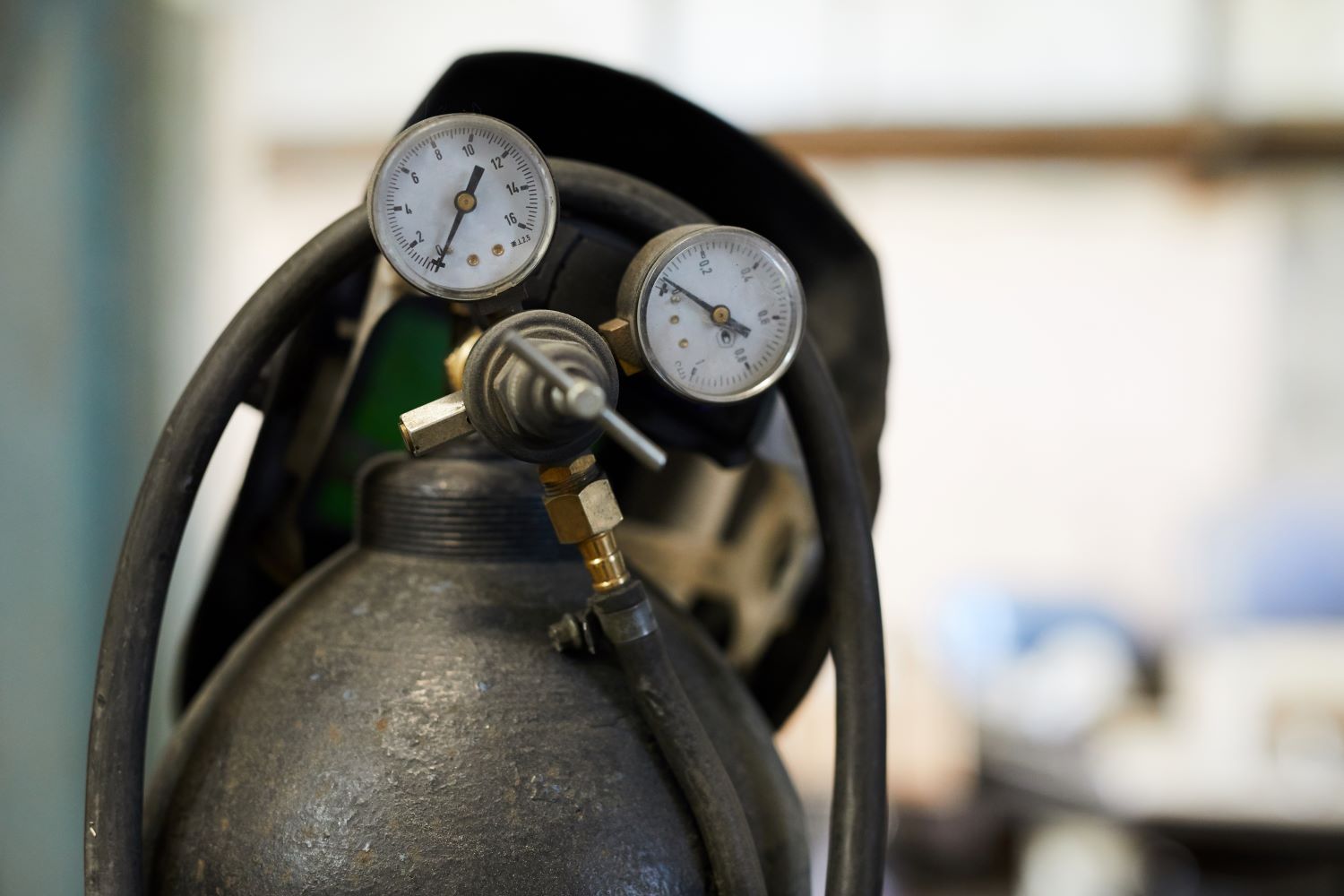
สำหรับสายแก๊ส ที่วางขายในท้องตลาด มีให้เลือกใช้งานและพบเห็นได้ง่ายมีอยู่ 2 แบบด้วยกันคือสายแก๊สธรรมดาและสายแก๊สแรงดันสูง ซึ่งสายแก๊สทั้ง 2 ชนิดนี้สามารถนำมาใช้งานร่วมกับแก๊สหุงต้มหรือแก๊ส LPG ในครัวเรือนของเราได้เหมือนกัน แต่เมื่อพูดถึงเรื่องคุณภาพและความปลอดภัยเราจึงมาดูกันว่าสายแก๊สทั้ง 2 ชนิดนี้ คือสายแก๊สแบบใสและแบบสีส้มเลือกใช้งานแบบไหนให้ความคุ้มค่าและความปลอดภัยมากกว่ากัน

cfd forex คือ อะไร เรียนรู้วิธีการเทรด CFD สำหรับผู้เริ่มต้น cfd forex คือ อะไร เรียนรู้วิธีการเทรด CFD สำหรับผู้เริ่มต้น
ปฏิเสธไม่ได้เลยว่าการเทรด cfd forex คือ จะเป็นอีกหนึ่งทางเลือกที่น่าสนใจสำหรับมือใหม่เป็นอย่างมาก และในปัจจุบันยังมีการเทรดประเภทอื่น ๆ ให้ทุกคนเลือกลงทุนอยู่มากมาย จึงทำให้ในปัจจุบันมีมือใหม่สนใจเข้าร่วมลงทุนกันอย่างแพร่หลาย ดังนั้นก่อนที่เราจะเริ่มต้นเทรด CFD สิ่งสำคัญที่ทุกคนไม่ควรมองข้าม คือ การศึกษาการเทรดอย่างละเอียด เพื่อเข้าเทรดได้อย่างถูกต้องและปลอดภัย เพิ่มโอกาสทำกำไรจากการลงทุนได้อย่างง่ายดายมากที่สุด cfd forex คืออะไร รู้จักก่อนลงทุน สำหรับใครที่สงสัยว่า cfd forex คืออะไร จะเป็นการเทรดสัญญาซื้อขายส่วนต่างนั่นเอง ซึ่งจะเรียกว่า CFD ที่ย่อมาจาก Contract for
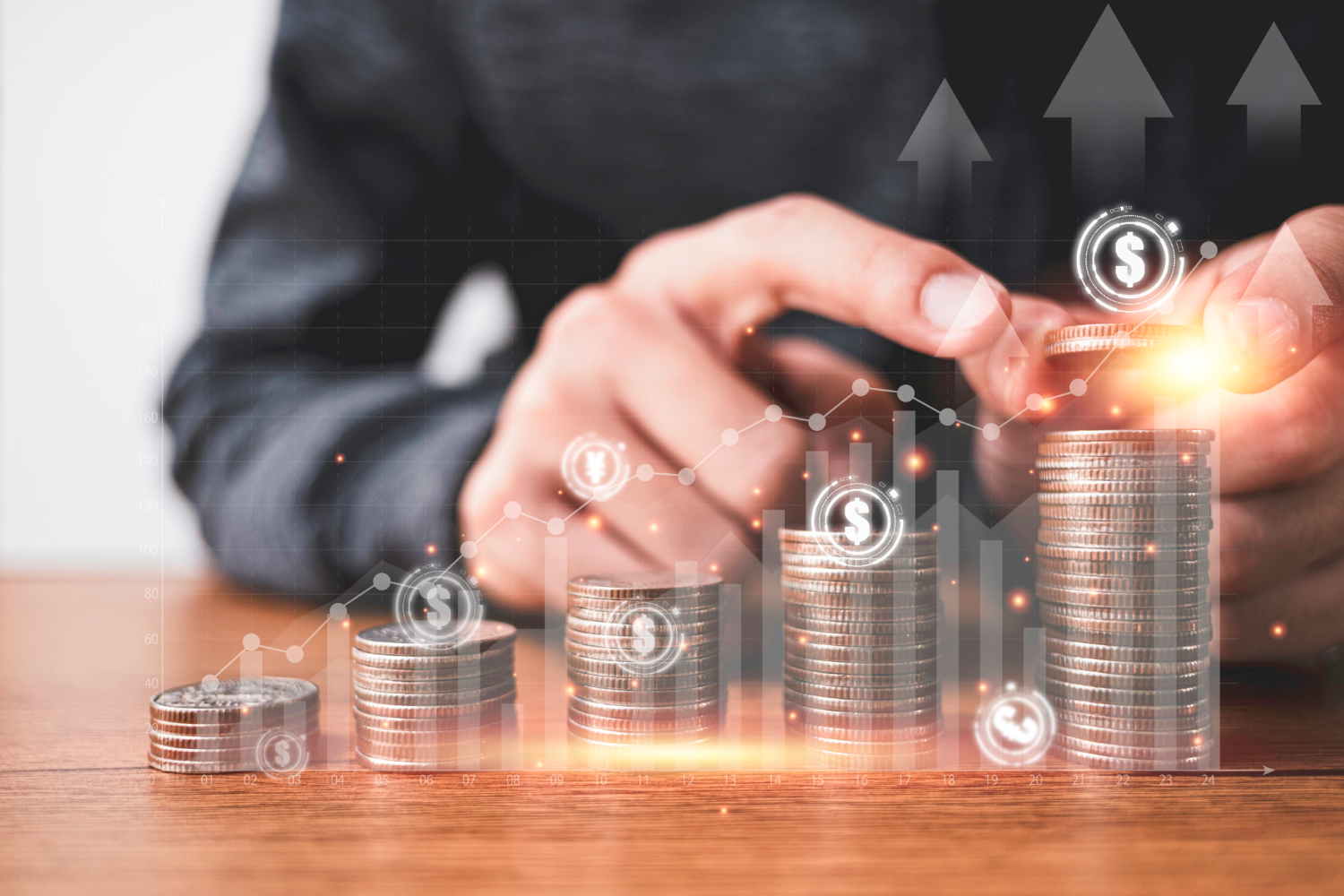
SSF ลดหย่อนภาษี กองทุนยอดนิยม ขวัญใจวัยทำงานSSF ลดหย่อนภาษี กองทุนยอดนิยม ขวัญใจวัยทำงาน
กองทุน SSF ลดหย่อนภาษีกลายเป็นขวัญใจของผู้ที่อยู่ในวัยทำงาน เพราะไม่ใช่เพียงการสร้างผลตอบแทนระยะยาว แต่ผู้ลงทุนยังได้รับสิทธิประโยชน์ด้านการ
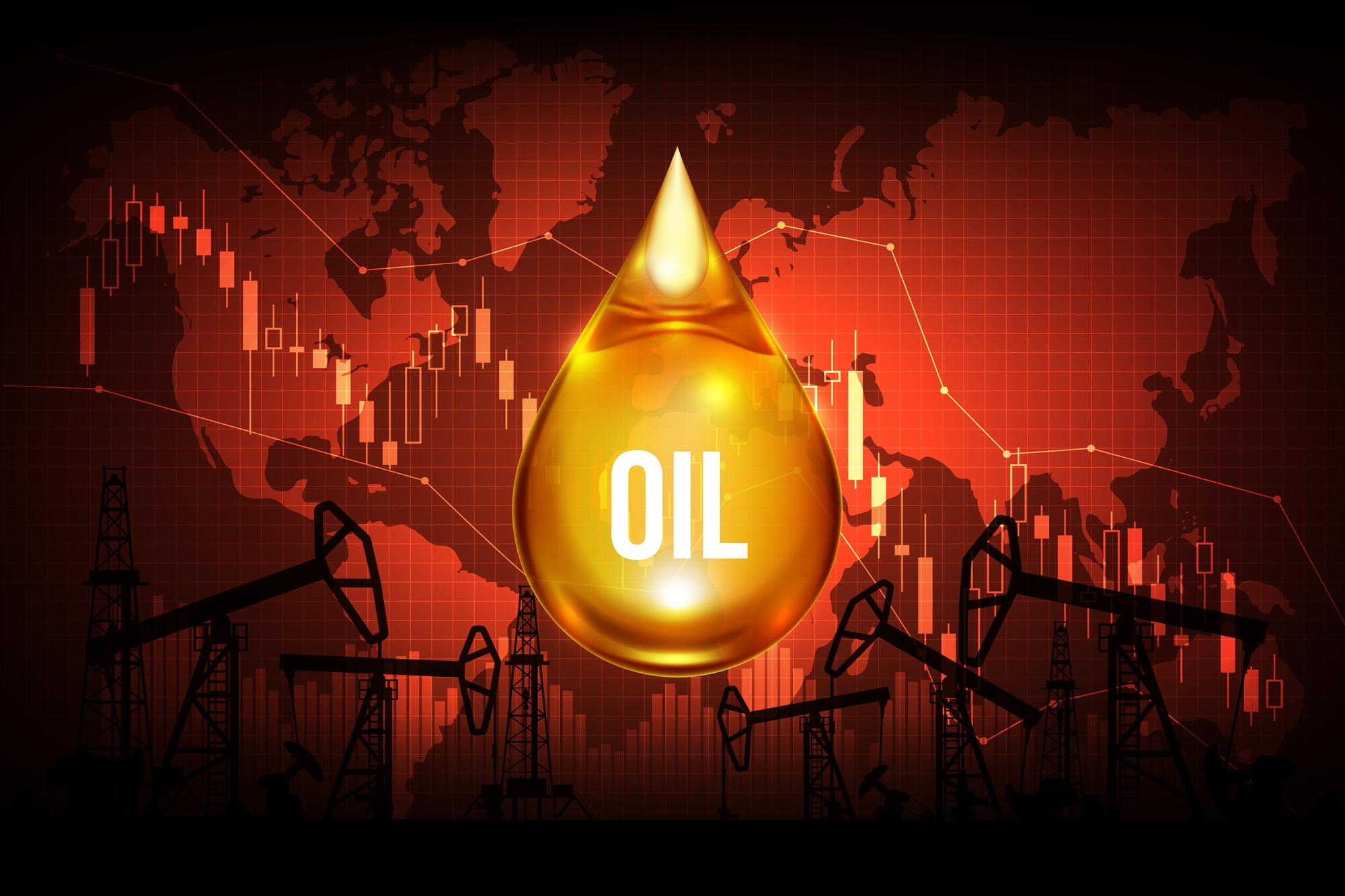
รู้ก่อนเทรดราคาน้ำมันดิบ Brent VS WTIแตกต่างกันอย่างไรรู้ก่อนเทรดราคาน้ำมันดิบ Brent VS WTIแตกต่างกันอย่างไร
ราคาน้ำมันดิบ Brent และ WTI มีความแตกต่างกันที่นักลงทุนควรรู้ก่อนทำการลงทุน และเพื่อความไม่ประมาท นักลงทุนควรทำความเข้าใจเกี่ยวกับการเทรดน้ำมันร่วมด้วย เพื่อให้เกิดความกระจ่างและสามารถลดความผิดพลาดในการลงทุนได้ เพราะตลาดน้ำมันคือตลาดลงทุนที่ให้ผลตอบแทนสูง ในขณะเดียวกันก็สร้างความเสียหายได้สูงเช่นกัน เนื่องจากน้ำมันจะผันผวนไปตามกระแสข่าว และปัจจัยรอบด้านต่าง ๆ ที่นักลงทุนจะได้ร่วมทำความเข้าใจในบทความนี้ น้ำมันดิบ Brent และ น้ำมันดิบ WTI ความเหมือนที่แตกต่าง น้ำมันดิบ Brent และ น้ำมันดิบ WTI เป็นชนิดของน้ำมันดิบ ซึ่งในโลกนี้มีน้ำมันดิบอยู่หลายชนิดด้วยกัน แต่ในตลาดน้ำมันที่มีการซื้อขายหลัก
ตรวจสอบบัญชี เริ่มยังไงดีตรวจสอบบัญชี เริ่มยังไงดี
การตรวจสอบบัญชีเป็นสิ่งที่จำเป็นสำหรับแทบจะทุกธุรกิจเพื่อรับรองความถูกต้องและความสมบูรณ์ของงบการเงิน โดยการตรวจสอบบัญชีเป็นการตรวจสอบบันทึกทางการเงินของบริษัทโดยอิสระเพื่อให้มั่นใจอย่างสมเหตุสมผลว่าข้อมูลที่นำเสนอนั้นถูกต้องและเป็นไปตามมาตรฐานการบัญชี

พาซื้อของขวัญวันเกิดใน Moshi Moshiพาซื้อของขวัญวันเกิดใน Moshi Moshi
เคยเป็นกันไหม พอจะถึงวันเกิดใครสักคนที่สำคัญกับเราปัญหาใหญ่คือการหาของขวัญวันเกิด ซึ่งบางครั้งเราเองก็กังวล กลัวว่าของขวัญที่ให้ไปนั้นจะไม่ถูกใจเจ้าของวันเกิด แต่จริงๆ แล้ว สำหรับเจ้าของวันเกิดนั้นใครให้อะไรมาก็ดีใจทั้งนั้นแหละ แต่ก็อย่างว่า เราเป็นผู้ให้ก็รู้สึกเครียดอยู่เหมือนกันเพราะไม่รู้จะซื้ออะไรให้ดี ดังนั้นวันนี้จะพาไปเที่ยว Moshi Moshi ร้านรวมของสารพัดความน่ารัก จะซื้อไปใช้เอง หรือจะห่อเป็นของขวัญก็น่าประทับใจ กระติกน้ำพาสเทล เพราะว่า Moshi Moshi เป็นร้านที่รวมของน่ารักๆ ดังนั้นของส่วนใหญ่จึงจะเป็นสีพาสเทลคิวท์ๆ อย่างกระติดน้ำพาสเทลก็เป็นอะไรที่น่าซื้อไปห่อของขวัญมากๆ ไม่ว่าจะเป็นคนติดน้ำร้อนหรือน้ำเย็นก็พกได้ เพราะกระติกน้ำพาสเทลกระปุกนี้เก็บอุณหภูมิได้ทั้งร้อนและเย็น แถมยังช่วยลดการใช้แก้วพลาสติกด้วยนะ แฮนด์ครีมชิบะ มาที่สายบำรุงกันบ้าง แฮนด์ครีมเป้นครีมทามือที่จะช่วยให้มือของเรานั้นนนุ่มชุ่มชื่นมากๆ ซึ่งที่ Moshi
อยากได้ประกันรถยนต์ชั้น 3 ราคาถูกต้องเลือกแผนให้ดีอยากได้ประกันรถยนต์ชั้น 3 ราคาถูกต้องเลือกแผนให้ดี
แน่นอนว่าประกันชั้น 3 เป็นประเภทที่ได้รับการกล่าวถึงว่าเป็นประกันที่ราคาถูกที่สุด แต่จะดีกว่าหรือไม่ หากได้ราคาที่ถูกกว่าเดิม พร้อม ๆ กับการคุ้มครองที่มากขึ้น และหากสนใจซื้อประกันรถยนต์ชั้น 3 ราคาถูกต้องเลือกแผนให้ดี ต้องการซื้อประกันรถยนต์ชั้น 3 ราคาถูกเลือกแผนยังไง สำหรับการเลือกแผนสำหรับซื้อประกันรถยนต์นั้น ทำได้หลายวิธี และแต่ละวิธีช่วยประหยัดค่าเบี้ยประกันลงได้สูงสุดถึง 20% ซึ่งเรื่องหลักแผนที่เลือกได้และมีผลต่อราคาเบี้ยประกัน มีดังนี้ 1. แผนการซ่อม มีทั้งหมด 3 รูปแบบได้แก่ 2. เลือกแผนสำหรับผู้ขับขี่ หากคุณต้องการซื้อประกันรถยนต์ชั้น 3 ราคาถูกลงกว่าเดิม
ประกันรถยนต์2+ ดีไหม ต่างจากประกันรถยนต์1 อย่างไรประกันรถยนต์2+ ดีไหม ต่างจากประกันรถยนต์1 อย่างไร
การเลือกประกันชั้น 1 สำหรับใครหลายคนก็อาจมีปัญหาในเรื่องของค่าใช้จ่ายที่สูงเกินไป จนอยากมองหาทางเลือกอื่น ๆ ที่ยังคงได้รับการคุ้มครองที่ครอบคลุม แต่เสียค่าใช้จ่ายที่น้อยลง ซึ่งตัวเลือกหลัก ๆ ก็มักเป็นประกันชั้น2+ ดังนั้นในวันนี้เราจึงจะพาไปหาคำตอบว่าประกันรถยนต์2+ ดีไหม และต่างจากประกันรถยนต์1 อย่างไร ใครบ้างที่ควรซื้อ ประกันรถยนต์2+ ดีไหม คำว่าดีในที่นี้ขึ้นอยู่กับพฤติกรรมการใช้รถและงบประมาณที่มี สำหรับค่าใช้จ่ายในการจ่ายให้กับบริษัทประกัน หากพบว่ามีเงินสำหรับทำประกันประมาณ 6,000 – 10,000 บาท หรือพบว่ารถที่ท่านเองครอบครองอยู่ไม่ค่อยใช้งาน การเลือกซื้อประกันรถยนต์2+ จะดีและตอบโจทย์ได้อย่างแน่นอน เพราะนอกจากราคาจะต่ำกว่าประกันรถยนต์1 แล้วในส่วนของความคุ้มครองก็ยังมีความใกล้เคียงกันอีกด้วย ประกันรถยนต์2+
กฎหมายทั่วไปมีอะไรบ้างกฎหมายทั่วไปมีอะไรบ้าง
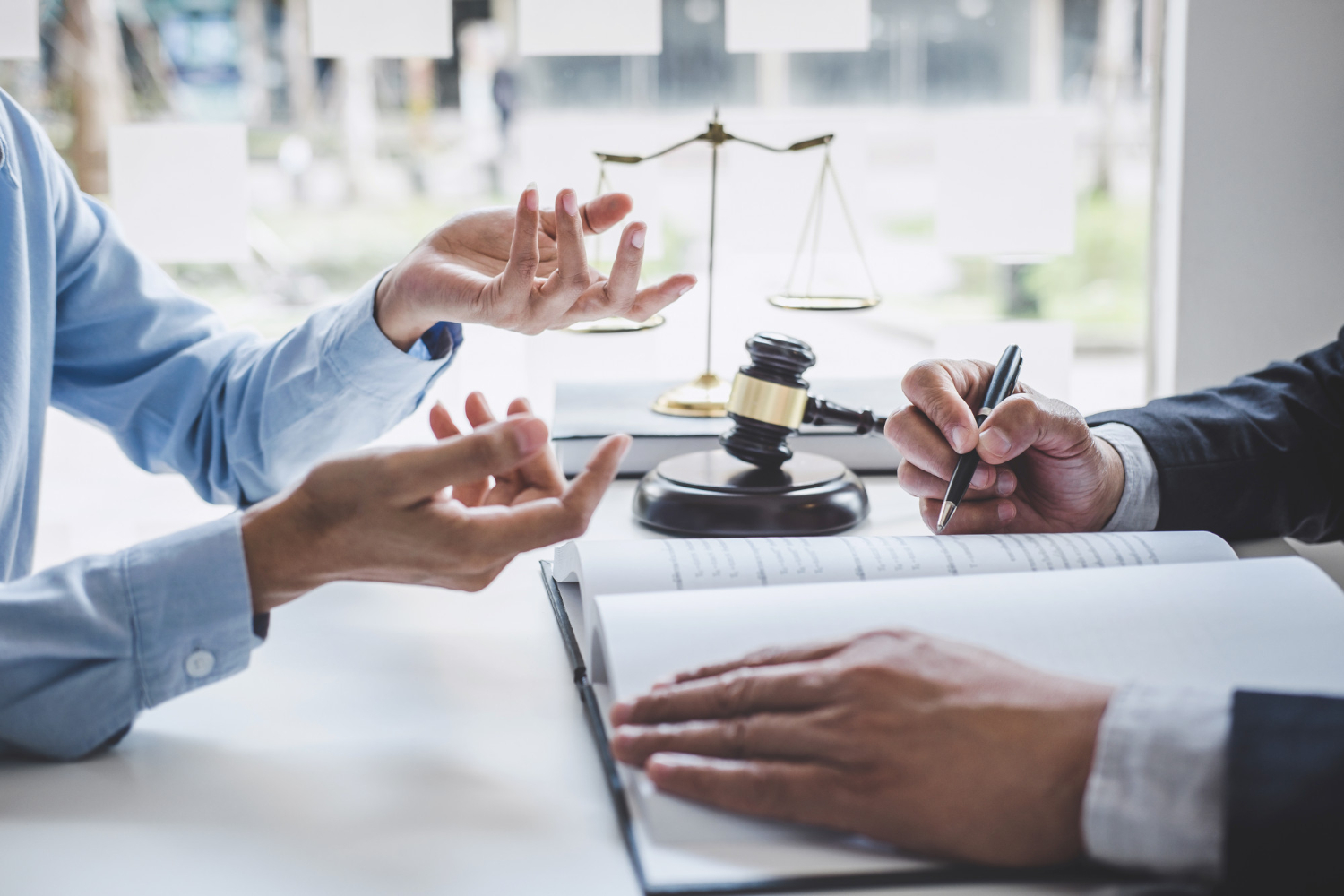
ในเรื่องของกฎหมายปัจจุบันนี้เป็นเรื่องที่สำคัญและจำเป็นกับเราเองและอีกหลายๆคนอย่างที่สุดเพราะว่าในเรื่องของกฎหมายนั้นเป็นสิ่งที่จะช่วยทำให้ทุกๆคนได้มีอิสระจากการที่เราถูกกระทำได้อย่างยิ่งด้วย เพราะทุกๆอย่างเรื่องของกฎหมายนั้นเป็นสิ่งที่เราเองก็ควรที่จะต้องใส่ใจให้มากๆด้วย เรื่องของกฎหมายนั้นคำสั่งหรือข้อบังคับของรัฐหรือประเทศที่ใช้บังคับความประพฤติทั้งหลายของบุคคล อันเกี่ยวด้วยเรื่องความสัมพันธ์ระหว่างกัน ถ้าหากใครฝ่าฝืนไม่ปฏิบัติตามจะต้องมีความผิดและถูกลงโทษ ในทางอาญาอาจจะมีโทษปรับเป็นเงินหรือโทษจำคุก ในทางแพ่งจะต้องถูกบังคับให้ชำระหนี้หรือจ่ายหนี้อีกด้วย เพราะทุกๆอย่างในเรื่องของกฎหมายนั้นมีมากมายเลยที่เราก็ควรที่จะต้องให้ความสนใจและควรที่จะศึกษากันให้มากๆด้วยจะได้ไม่ประพฤติตัวผิดๆและเกิดผลเสียกับตัวเราได้อีกเช่นกัน กฎหมายที่เป็นคำสั่งหรือข้อบังคับที่ใช้ทั่วไปจะหมายถึงกฎหมายจะต้องใช้บังคับได้ทุกสถานที่และแก่บุคคลทุกคนโดยเสมอภาค กฎหมายเป็นข้อบังคับที่ใช้ได้เสมอไปหมายถึง เมื่อเมื่อมีการประกาศกฎหมายเรื่องใดฉบับใดแล้ว กฎหมายนั้นก็จะใช้ได้ตลอดไปจะเก่าหรือนานแค่ไหนถ้าไม่ถูกยกเลิกตามพระราชบัญญัตินั้นก็สามารถที่จะใช้ได้อยู่ด้วยนอกจากนี้กฎหมายเป็นข้อบังคับที่ต้องปฏิบัติตามอันนี้หมายถึงกฎหมายทุกฉบับประชาชนต้องปฏิบัติตาม ถึงแม้ว่าเราจะไม่ชอบอย่างไรก็จะต้องปฏิบัติตามเพราะถ้าหากเราไม่ปฏิบัติตามแล้วก็จะเป็นการฝืนกฎหมายอาจจะได้รับโทษได้อีกเช่นกัน ทุกๆอย่างในตอนนี้เรื่องของกฎหมายนั้นเป็นสิ่งที่ดีและสำคัญกับเราเองอย่างมากเพราะว่ากฎหมายอย่างน้อยก็จะช่วยให้เราได้รับผลประโยชน์ได้อย่างยิ่งด้วย เราเองจึงควรที่จะต้องอย่ามองข้ามในเรื่องของกฎหมายด้วย ถึงแม้ว่าในบางครั้งเราอาจจะไม่พอใจในกฎหมายแต่เราก็ไม่สามารถที่จะแก้ไขอะไรได้ ถ้าหากไม่ได้รับคำสั่งจากผู้มีอำนาจในการแก้ไขกฎหมายด้วยนั้นเอง เพราะทุกๆอย่างในเรื่องของกฎหมายจึงเป็นสิ่งที่ดีและจำเป็นอย่างยิ่ง เราจึงควรที่จะต้องหาข้อมูลและหาอ่านให้มากๆเพราะว่าเราจะได้ยิ่งรู้ในข้อกฎหมายได้อย่างมากมายด้วย สิ่งเหล่านี้จึงเป็นเรื่องที่ดีที่ถ้าหากเราใส่ใจแล้วก็จะไม่เสียผลประโยชน์กับตัวเองได้ด้วย กฎหมายนั้นมีข้อบังคับที่มากมายซึ่งถ้าหากเราได้รู้ในเรื่องของกฎหมายก็จะยิ่งเป็นสิ่งที่ดีที่เวลาเราจะทำอะไรก็จะได้ไม่ทำผิดพลาดขึ้นมาด้วย สิ่งเหล่านี้จึงเป็นสิ่งที่เราจะมองข้ามไปไม่ได้เพื่ออะไรที่ดีๆจะได้เกิดขึ้นกับเราเองและเราก็จะได้ไม่โดนคนหลอกในเรื่องของกฎหมายด้วยถ้าหากเรารู้จริง
กฎหมายคุ้มครองผู้บริโภคกฎหมายคุ้มครองผู้บริโภค
ในปัจจุบันนี้เรื่องของกฎหมายนั้นก็เป็นเรื่องหนึ่งที่ดีและสำคัญกับเราเองอย่างที่สุดที่เราก็ควรที่จะต้องรู้จักที่จะเรียนรู้แล้วให้ความสนใจกับเรื่องของกฎหมายให้มากๆเพราะว่ายิ่งเราให้ความสนใจกับเรื่องของกฎหมายได้มากเท่าไหร่ก็จะทำให้เราได้รับความรู้ที่ดียิ่งขึ้นในเรื่องของกฎหมายด้วย อย่างในตอนนี้เราจะมาพูดถึงเรื่องของกฎหมายคุ้มครองผู้บริโภคอันนี้เป็นเรื่องที่สำคัญมากๆเพราะไม่ว่าเราจะบริโภคอะไรก็ตามในชีวิตประจำวันนั้นล้วนแต่จะต้องมีความสะอาดและสมกับราคาอย่างที่สุดเพื่อที่เราจะได้ไม่เกิดเรื่องราวที่ไม่ดีขึ้นกับเราเองด้วย กฎหมายคุ้มครองผู้บริโภคก็จะมีการคุ้มครองผู้บริโภคในด้านการโฆษณาซึ่งในด้านการโฆษณานั้นเราจะต้องเลือกโฆษณาที่ตรงและให้เป็นจริงอย่าโฆษณาจนเกินจริงเพราะสิ่งเหล่านี้จะช่วยทำเรานั้นอาจจะโดนการปรับเพราะว่าเรามีการโฆษณาชวนเชื่อที่เกินจริงนั้นเอง ทุกๆอย่างในเรื่องของกฎหมายนั้นก็เป็นเรื่องที่เราเองจึงควรที่จะต้องให้ความสนใจอย่างที่สุดเพราะว่ากฎหมายจะช่วยป้องกันไม่ให้เรานั้นต้องเจอกับเรื่องอะไรที่ไม่ดียิ่งขึ้นด้วย นอกจากนี้ในเรื่องของอำนาจหน้าที่ของกฎหมายคุ้มครองผู้บริโภคก็จะมีหน้าที่มากมายที่จะป้องกันไม่ให้ผู้บริโภคได้บริโภคในสิ่งที่ไม่ดีได้อีกด้วย อำนาจหน้าที่ของกฎหมายคุ้มครองผู้บริโภคจะมีหน้าที่ในการควบคุมดูแลการโฆษณาสินค้า หรือบริการ มีหน้าที่ในการป้องกันหรือระงับยับยั้งความเสียหายหรืออันตรายอันเกิดขึ้นแก่ผู้บริโภค มีหน้าที่ในการตรวจข้อความโฆษณา มีการคุ้มครองผู้บริโภคในด้านฉลากที่จะออกมาคู่กับผลิตภัณฑ์เพื่อการบริโภคที่ถูกต้องอย่างยิ่งด้วย ส่วนการคุ้มครองผู้บริโภคในด้านฉลาก ทางรัฐบาลก็ได้ออกกฎหมายเพื่อให้ความคุ้มครองสิทธิของผู้บริโภคได้แก่การคุ้มครองผู้บริโภคในด้านสัญญาและการคุ้มครองผู้บริโภคในด้านการขายและตลาดแบบตรง ซึ่งทุกๆอย่างก่อนที่จะออกไปจำหน่ายนั้นจะต้องมีการตรวจสอบจากกรมการคุ้มครองผู้บริโภคก่อนเพื่อที่จะได้ไม่เกิดอุปสรรคขึ้นมากับเราหรือคนอื่นๆที่จะบริโภคในสินค้านั้นๆด้วย ทุกสิ่งทุกอย่างในตอนนี้เรื่องของกฎหมายนั้นเป็นสิ่งที่ดีเพื่อที่จะช่วยให้เรานั้นได้มีเกาะป้องกันที่ปลอดภัย ถ้าหากเราเจอผลิตภัณฑ์ที่ไม่ดีหรือไม่มีคุณภาพแล้วเราก็สามารถที่จะทำเรื่องเพื่อร้องเรียนกับกรมการคุ้มครองผู้บริโภคได้เลยเพราะว่ามีกฎหมายที่ชัดเจนอยู่แล้วสำหรับการคุ้มครองผู้บริโภค เราจึงควรที่จะต้องอย่ามองข้ามและอย่าประมาทจะยิ่งเป็นเรื่องที่ดีเพราะถ้าเราเกิดพลาดหรือประมาทไปแล้วนั้นเราอาจจะเสียผลประโยชน์ได้และถ้าหากเราเป็นผู้ขายแล้วทำของพลาดมานั้นก็อาจจะทำให้เราโดนปรับเงินหรือต้องชดเชยให้กับผู้บริโภคได้อีกด้วย